How to Choose Modern Aluminium Doors
Why Sliding Doors Are Perfect for Spaces That Link Interior Areas and Exterior Areas
Sliding doors provide a convenient option for improving indoor-outdoor areas. Their structure enables a seamless shift between environments, optimizing natural brightness and vistas. This element not only enhances aesthetics but also encourages better ventilation and flexible space configurations. As homeowners strive to blend nature into their everyday existence, the benefits of sliding doors become progressively relevant. copyrightining the different styles and benefits reveals even more persuasive justifications to consider them for any home.

The Benefits of Sliding Doors for Indoor-Outdoor Living
Sliding doors offer a smooth transition between indoor and outdoor spaces, enhancing the overall flow of a home. Their expansive glass panels permit natural light to explore this flood interiors, establishing a bright and inviting atmosphere. This not only improves the aesthetic appeal but also encourages a sense of bond with nature, making indoor-outdoor living more enjoyable.
Additionally, sliding doors are space-efficient because they do not require the space to open as traditional doors do, making them ideal for smaller rooms. They also can be created to blend harmoniously with multiple architectural styles, improving the home’s overall design.
Furthermore, glass doors can enhance air flow, allowing clean air to circulate freely, which is particularly beneficial in warmer months. They also offer easy access to exterior areas, promoting activities like dining al fresco or entertaining guests. Overall, sliding doors improve the utility and enjoyment of living spaces, making them a popular choice for contemporary residences.
How to Choose the Right Sliding Door Design for Your Home
Determining the suitable glass entrance design involves several key points. Homeowners should initially assess their residence's design style to ensure a cohesive visual appeal, while also evaluating the available area and planned purpose. Furthermore, the decision of finishes and their resilience can substantially impact both aesthetics and performance.
Think about your home's design
When selecting a sliding door design, homeowners must weigh the overall aesthetic of their residence. The selected style should harmonize with existing architectural features and interior design elements. For modern homes, stylish and minimalist designs, such as aluminum or frameless glass doors, may be ideal, promoting a seamless shift between spaces. Conversely, traditional residences might choose wood-framed doors, which add warmth and character. Color and finish are also essential; neutral tones often complement various styles, while bold colors can serve as a statement piece. Ultimately, synchronizing the sliding door style with the home's overall design not only strengthens visual appeal but also contributes to a cohesive indoor-outdoor living experience.
Determine Layout and Practical Efficiency
When selecting the perfect sliding door for a home, room and functionality are essential aspects. Homeowners should first assess the available space to select the correct door size and style. For smaller spaces, a single-panel sliding door may be more suitable, while larger openings can hold multi-panel designs that boost the view and light. Moreover, the functionality of the space is key; for instance, a door leading to a patio may prioritize ease of access, while one connecting to a garden might prioritize aesthetic appeal. Studying traffic patterns and the intended use of the area will further aid in choosing a door that fits both the architectural style and practical needs of the home.
Assess Material and Durability
A variety of materials are offered for sliding doors, each offering unique advantages regarding longevity and appearance. Popular choices include wood, aluminum, vinyl, and fiberglass. Wood delivers a traditional look but requires consistent maintenance to avoid warping. Aluminum, known for its strength and resistance to weathering, offers a sleek, modern appearance. Vinyl is low-maintenance and energy-saving, making it a preferred choice for homeowners. Fiberglass combines the best qualities of wood and aluminum, boasting durability while replicating wood's visual appeal. When choosing a sliding door, it is crucial to take into account climate conditions and the door's planned use, ensuring that the selected material matches with both functionality and design preferences. In the end, the right choice improves the indoor-outdoor experience.
Building Polished Transitions Through Sliding Doors
Sliding doors can substantially boost the flow of natural light between interior and exterior spaces, establishing a more welcoming atmosphere. By adding these doors, homeowners can also optimize spatial efficiency, making areas appear larger and more connected. This effortless change not only upgrades the appearance but also boosts the overall performance of a home.
Amplify Fresh Luminosity Transit
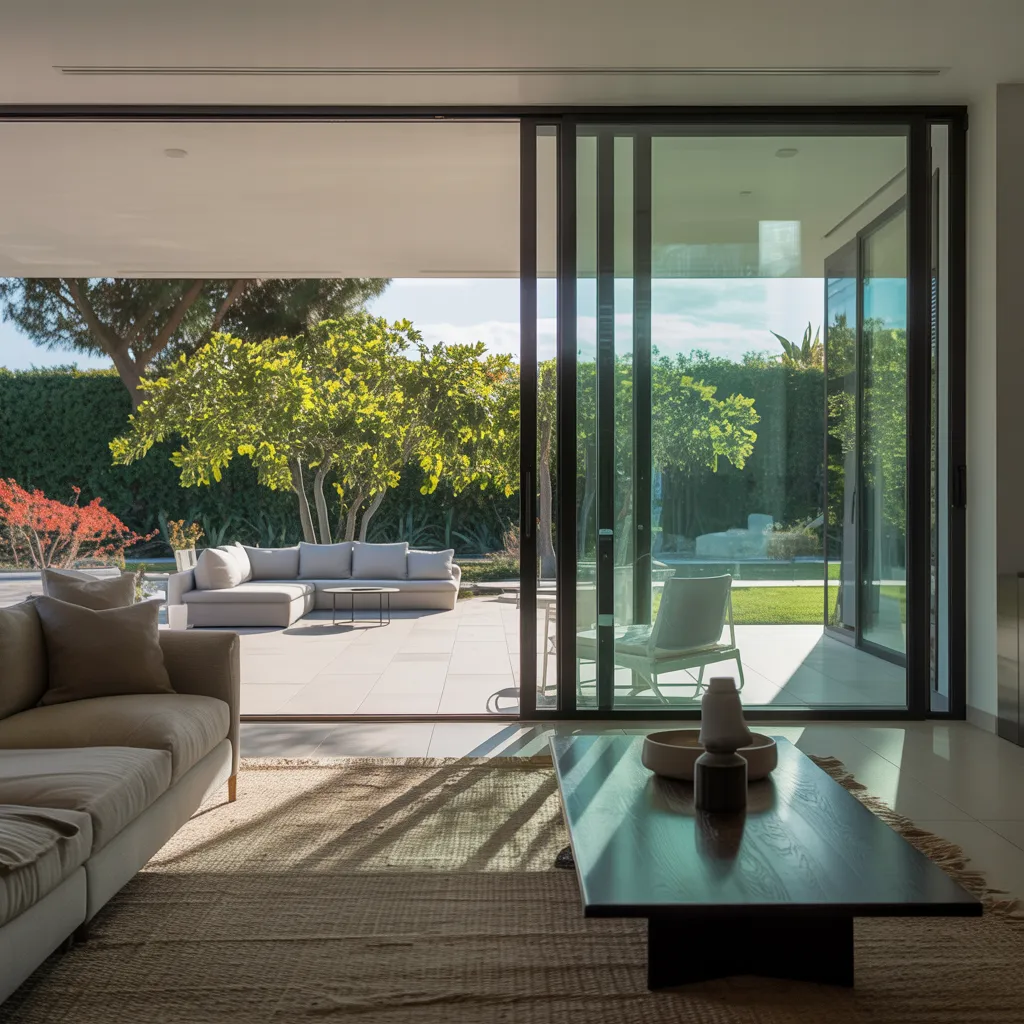
Embracing the allure of bright daylight transforms interior environments, building a pleasant mood that boosts both coziness and design elements. Sliding glass doors function as a practical means for amplifying this natural illumination. Their expansive glass surfaces allow sunlight to stream through, lessening the barriers between outdoor and indoor spaces. This seamless flow not only lights up residential spaces but also generates an sense of spaciousness, making spaces appear more expansive and aligned with natural elements. By thoughtfully installing sliding glass doors, property owners can make the most of scenery and natural illumination at varying moments throughout the day. Whether in a snug kitchen or a roomy living room, the incorporation of sliding glass doors improves the overall mood, advancing a welcoming and comfortable milieu that promotes rest and joy.
Maximize Area Efficiency
Reimagining spaces with sliding doors can considerably improve spatial use in residences. These doors remove the need for required clearance that traditional copyrightd doors demand, allowing for more adaptable furniture layouts and maximizing usable areas. By seamlessly linking indoor and outdoor spaces, sliding doors create a perception of expanded living spaces, promoting a more open ambiance. They can be installed in various configurations suitable for different layouts, ensuring ideal movement and accessibility. Furthermore, many contemporary sliding doors feature sleek frames and large glass panels, which not only improve design but also minimize visual noise. This considerate design fosters a smooth transition between environments, ultimately boosting both space and function in modern living.
Keeping Your Sliding Doors for Extended Beauty
Looking after sliding doors involves ongoing maintenance to determine they remain both dependable and aesthetically pleasing. Routine cleaning is fundamental; contaminants and grime can accumulate in tracks, hindering movement and resulting in deterioration over time. Homeowners should use a tender cloth and soft cleanser to buff the glass and edges, guaranteeing a unobstructed view and inviting appearance.
Additionally, copyrightining the tracks and wheels for damage is crucial. Applying lubricant to these parts with a silicone-based spray can prevent sticking and guarantee seamless functioning. Inspecting the seals for openings or decay helps preserve energy-saving performance and prevents water ingress.
Finally, regular checks of the door's positioning can identify any issues early, allowing for timely adjustments. By dedicating a minimal amount of time to these maintenance tasks, sliding doors can keep improving indoor-outdoor living spaces while maintaining their beauty and functionality for years to come.
Enhance Your Backyard Environment Through Sliding Doors
Sliding doors effortlessly blur the lines between indoor and outdoor living, establishing continuous connectivity that improves any space. By integrating sliding doors into outdoor areas, homeowners can convert their patios, gardens, or balconies into functional extensions of their interiors. These doors invite natural light, making outdoor spaces feel more inviting and connected to the home.
Moreover, sliding doors can enhance the aesthetic appeal of exterior spaces, offering unobstructed views of nature while providing easy access. They establish a flexible setting for relaxation, dining, or entertaining, enabling for adaptable use of space according to the season.
Moreover, the extensive array of choices and textures available ensures that sliding doors can coordinate with any architectural design, perfecting the overall look of the property. To conclude, the incorporation of sliding doors not only maximizes exterior function but also augments the way of living by nurturing a balanced interaction with nature.
Sliding Doors Help You Make Entertaining Trouble-free and Calm
The integration of sliding doors improves not only the aesthetic and functional aspects of outdoor spaces but also greatly simplifies the act of hosting events. With their seamless shift between indoor and outdoor areas, sliding doors establish an inviting atmosphere for social occasions. Hosts can easily move between kitchens and patios, offering refreshments without feeling confined.
Additionally, the extensive open spaces support communication among attendees, promoting mingling and socializing. The ability to effortlessly expand a room allows for bigger gatherings, conveniently accommodating more guests.
Additionally, the convenience of sliding doors means that backyard features, such as grills or seating areas, are just nearby, minimizing the need for excessive trips indoors. This accessibility contributes to a comfortable environment where entertainers can appreciate their time just as much as their visitors. Ultimately, glass doors transform hosting into a more enjoyable and more stress-free activity.
Maximizing Natural Light and Panoramas By Installing Sliding Doors
A profusion of daylight and striking views can dramatically reshape a home interior, and glass sliding doors are essential in producing this outcome. By forming spacious openings, sliding doors remove obstructions between indoor and outdoor areas, letting light to pour into interiors. This not only illuminates areas but also improves the general atmosphere, creating a sense of more inviting and spacious.
Moreover, glass sliding doors supply unobstructed views of gardens, patios, or landscapes, bringing nature indoors. The smooth transition urges residents to experience their surroundings, cultivating a sense of connection to the outdoors.
In addition, modern sliding doors often display sizable glass panes, which maximize natural illumination while supplying cost-effective alternatives that maintain comfortable indoor temperatures. This blend of design and purpose renders these door systems the ideal choice for enhancing daylight and revealing views in any home.
Typical Questions Posed
Are Sliding Doors Considered Energy-Efficient Solutions for Multiple Climate Types?
Sliding doors are cost-effective in multiple climate regions, most notably when equipped with double or triple glazing. Quality insulation and weather sealing further improve their performance, reducing energy loss and ensuring comfortable indoor temperatures all year long.
Which Safety Features Are Available for Sliding Doors?
Sliding doors showcase assorted safety attributes, including multipoint lock systems, strengthened structural frames, security bars, and shatter-resistant glass. These modifications help block unauthorized entry, affording homeowners with strengthened peace of mind about their indoor-outdoor spaces.
How Substantially Do Glass Doors Impact Property Resale Value?
Sliding doors can enhance home resale value considerably. Their appeal comes from delivering smooth transitions between inside and outside spaces, engaging buyers interested in contemporary style and usefulness, thus potentially resulting in higher bids and faster transactions.
Am I able to install sliding door panels independently?
One can fit sliding doors independently, if they possess fundamental carpentry knowledge and required tools. However, meticulous measuring, correct leveling, and proper sealing are vital to guarantee ideal operation and energy conservation, rendering professional support wise for inexperienced individuals.
What Are the Top Materials for Sliding Doors?
The optimal options for sliding doors consist of vinyl for thermal performance, aluminum for durability, and wood for aesthetic appeal. Each material delivers distinct benefits, allowing homeowners to select based on design, maintenance, and weather requirements.